Time for Provincial Status

Sibi Division, with a population of 1.16 million and an area of 30,684 km², is larger than many sovereign territories in population and land area. Despite its strategic location and immense natural wealth, it faces poverty, underdevelopment, and chronic neglect, receiving a disproportionately low share of provincial development funding. Around 71.2% of its population lives in poverty, 47.41% are literate, only 13% have good road connectivity, and numerous crime cases are reported annually. Experts believe that granting provincial status could be a game-changer, ensuring fair representation, improved governance, and balanced development.

Key Socio-Economic Indicators
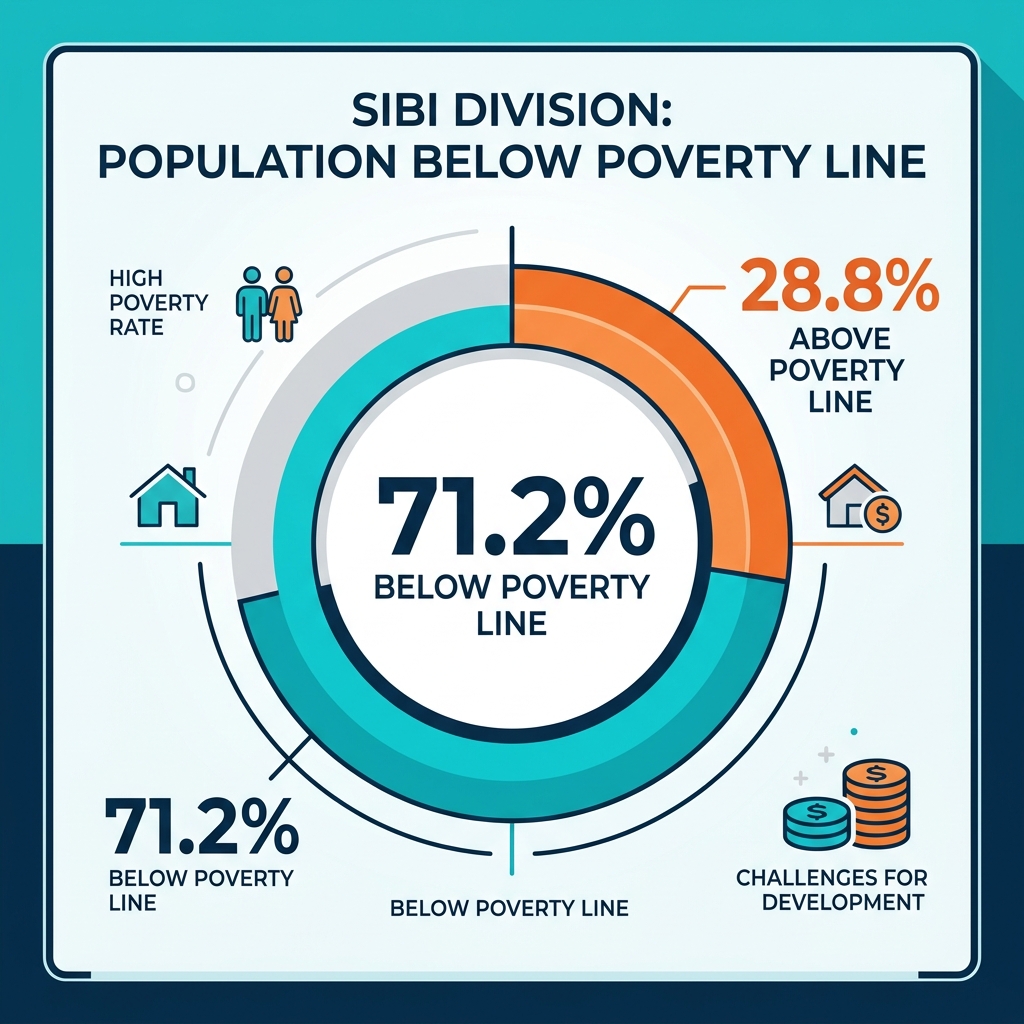
Population below the Poverty Line 71.2%
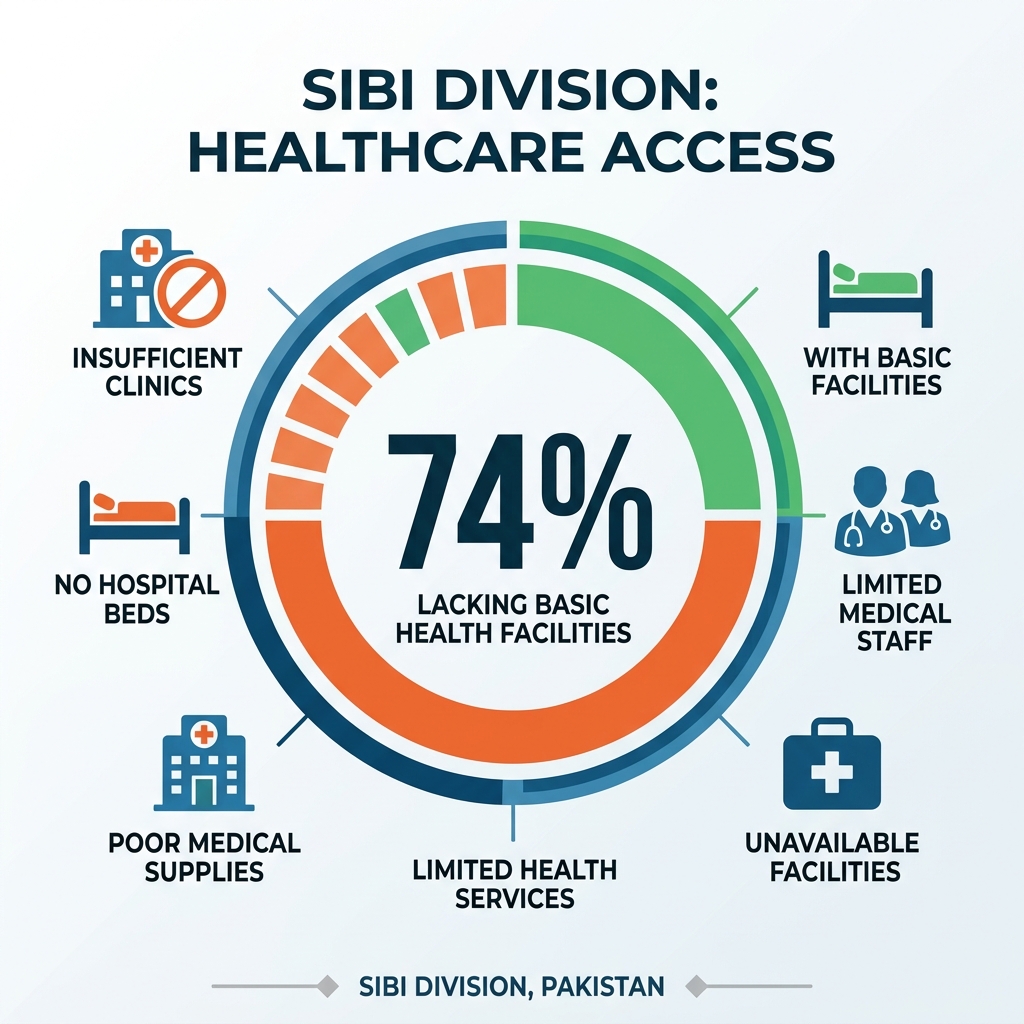
Lacking Basic Health Facilities 74%
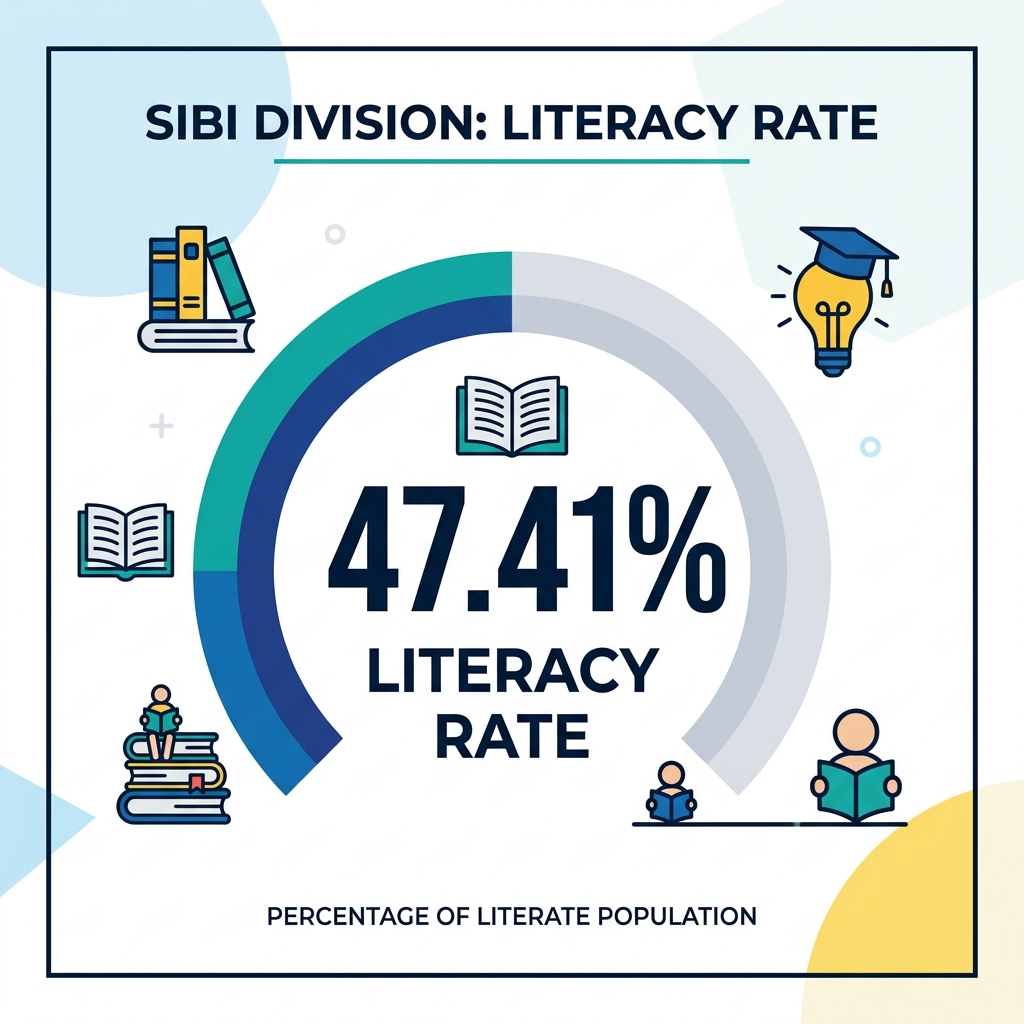
Literacy Rates 47.41%
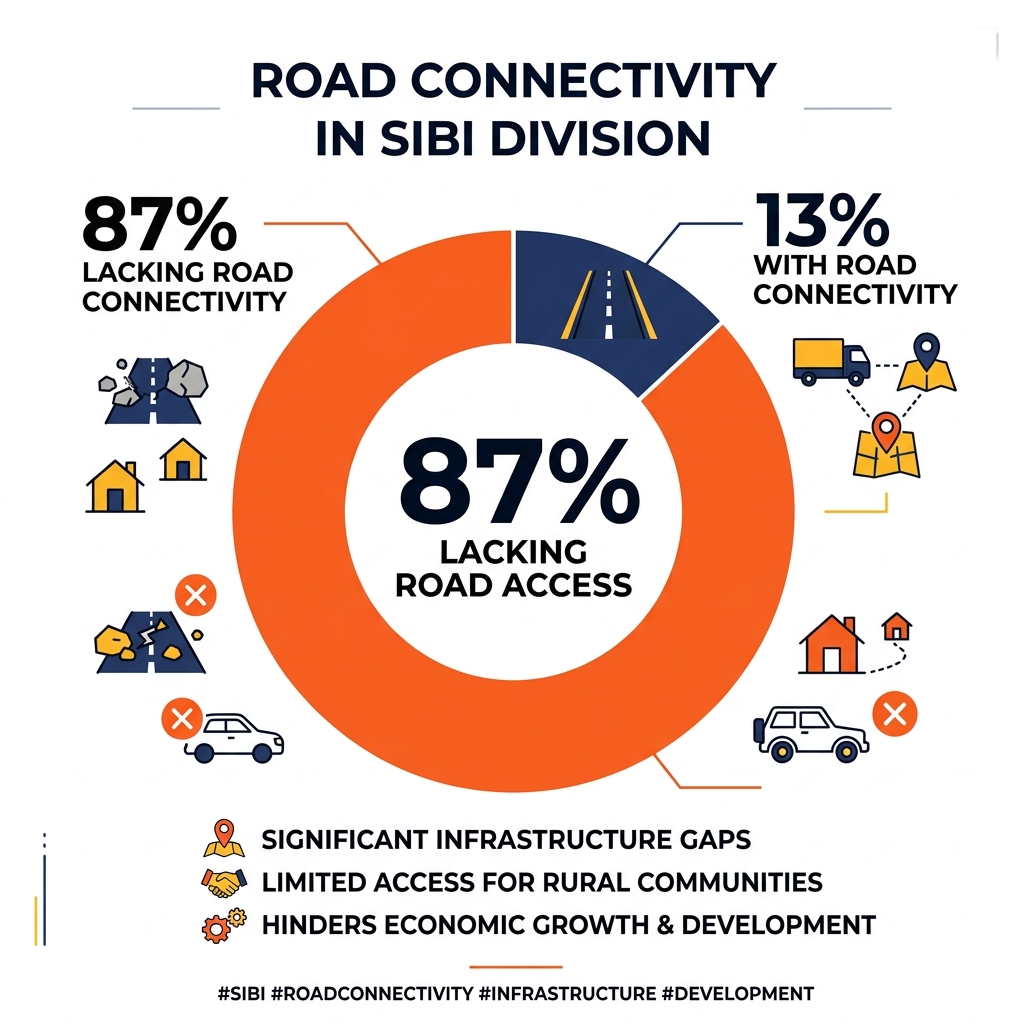
Lacking Road Connectivity 87%
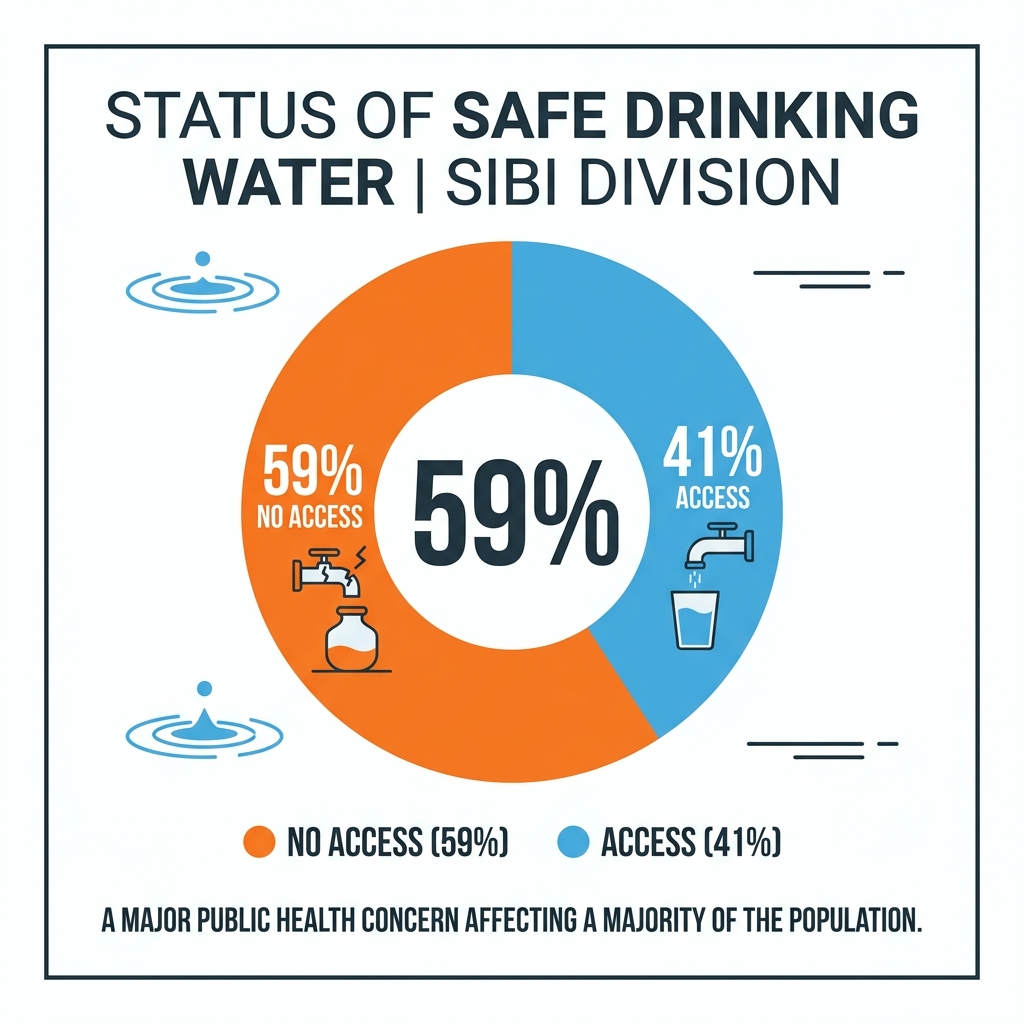
No Access to Safe Drinking Water 59%
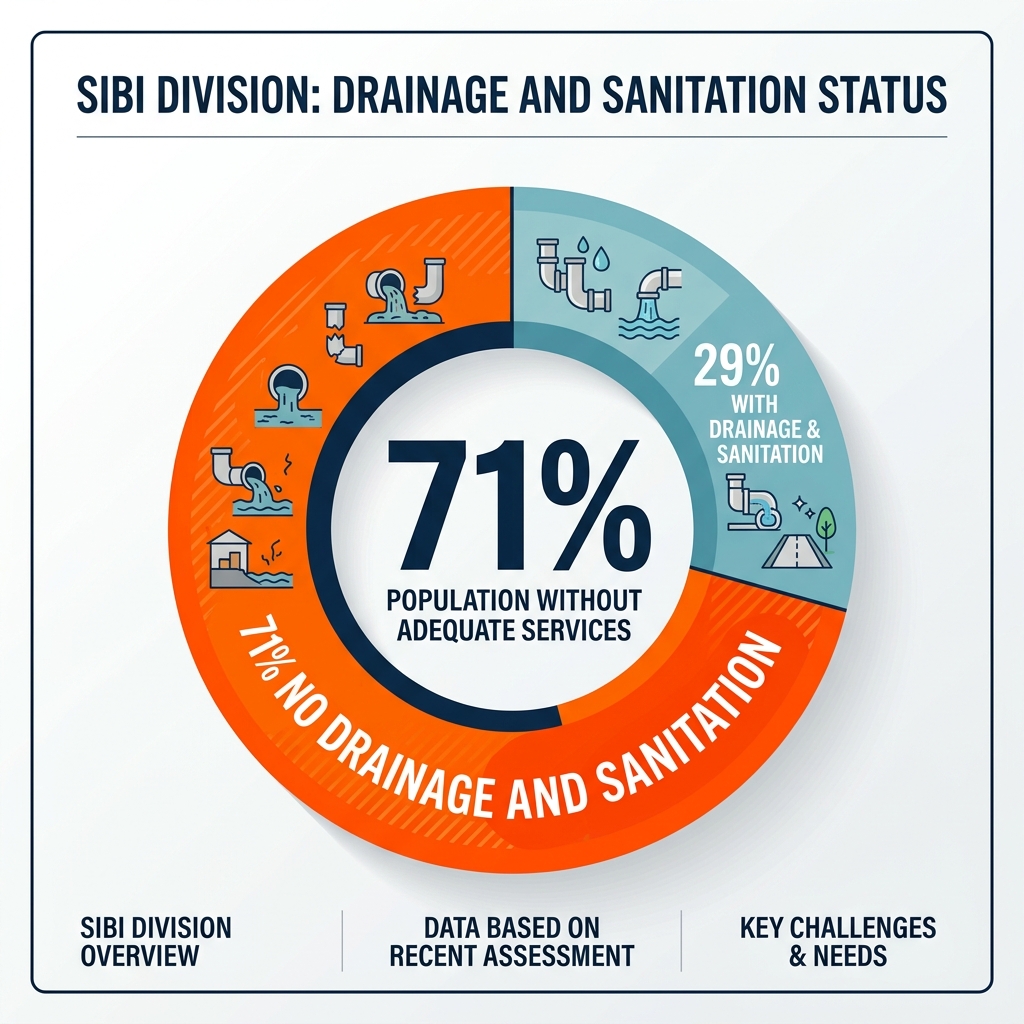
No Drainage and Sanitation 71%
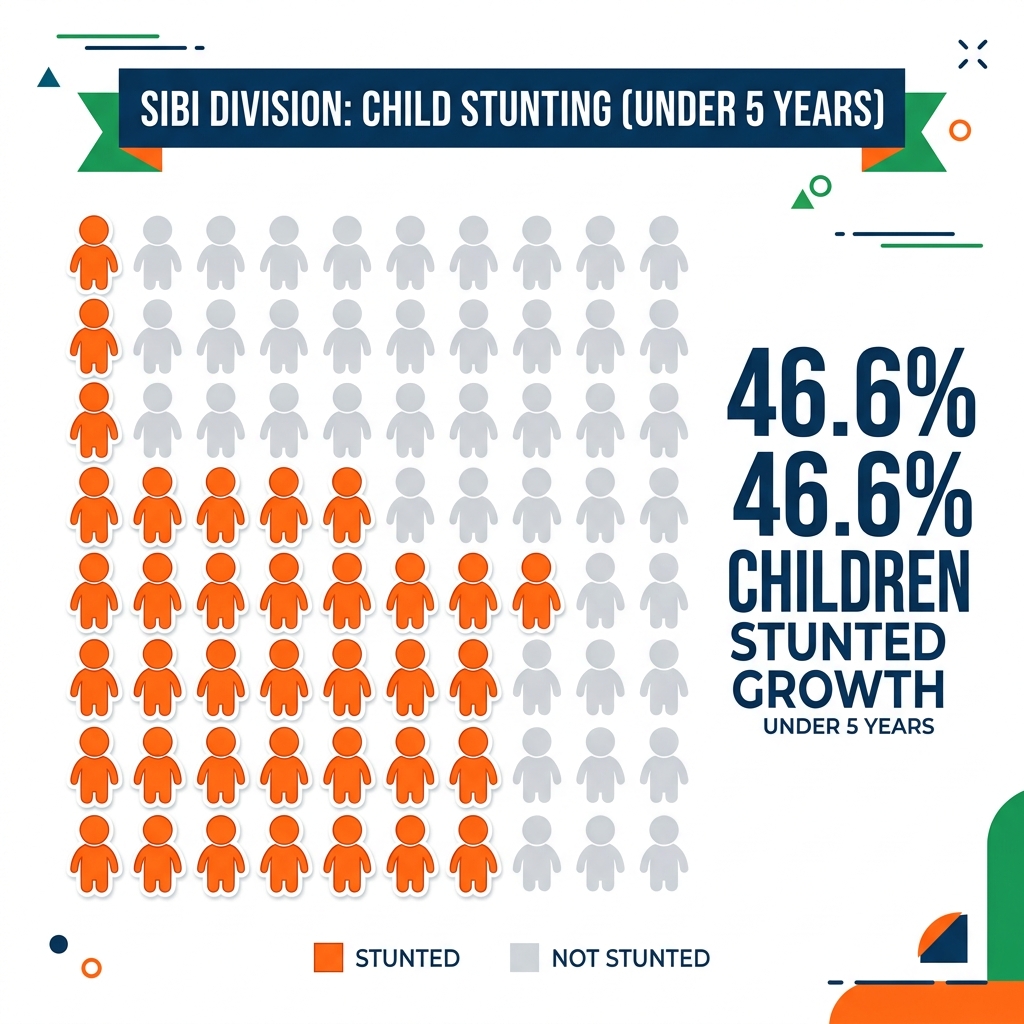
Children Stunted Growth 46.6% under 5
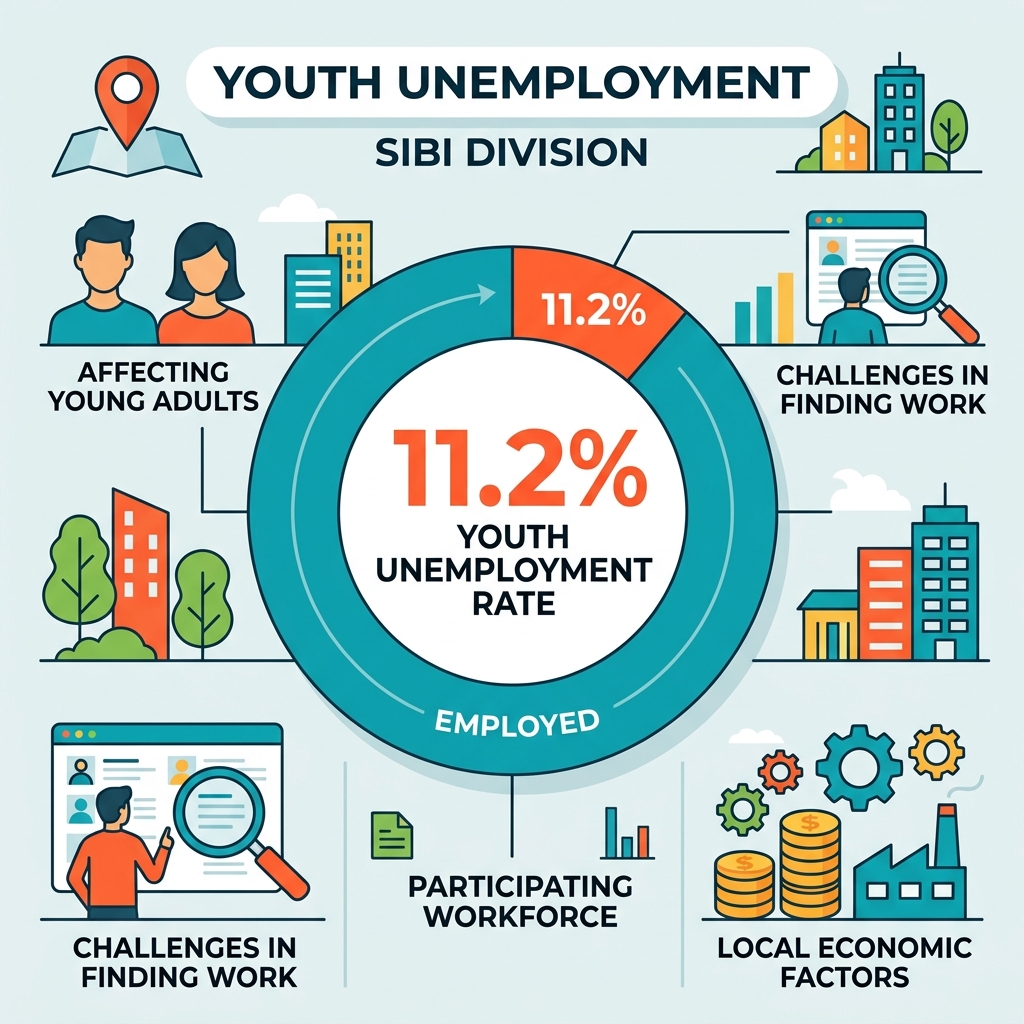
Youth Unemployment 11.2%
71.2% population below the poverty line
74% lacking basic health facilities
47.41% literacy rates
87% lacking road connectivity
59% no access to safe drinking water
71% no drainage and sanitation
46.6% under 5 children stunted growth
11.2% youth unemployment
05
Districts
15
Tehsils
1,156,748
Population
30,684
Land Area (km²)

Key Challenges

Sibi Division faces fragile healthcare systems, education shortfalls, sewerage pollution, unsafe drinking water, and rising unemployment despite holding strategic energy reserves and transit corridors in Balochistan.

  • Road Connectivity & Transportation Network:
    Despite hosting vital transit links like the Bolan Pass, vast rural stretches rely on unpaved shingle tracks, leaving mountain districts isolated during severe winter weather.
  • Water Scarcity & Management:
    Extreme aridity and recurring droughts severely strain local aquifers and ancient karez systems, while a lack of storage dams allows critical seasonal floodwaters to run off unused.
  • Healthcare Infrastructure Deficits:
    Primary healthcare across the division is heavily under-resourced, forcing critical patients in remote areas to undertake long, high-risk journeys to Quetta or major urban centers.
  • Limited Economic Base & Industrial Stagnation:
    Economic activity is largely confined to basic coal extraction, livestock, and subsistence agriculture, with closed industrial units (like the historic Harnai Woolen Mills) highlighting the lack of local value addition.
  • Climate Extremes & Environmental Hazards:
    Exposed to extreme summer heat waves reaching over 50°C in the plains alongside high seismic vulnerability in the northern ranges, the division faces severe risks compounded by illegal deforestation and habitat loss.
  • Education Gaps & Human Capital:
    The division suffers from high out-of-school rates, low female literacy, and limited vocational training, leaving youth under-prepared for technical and modern employment opportunities.
Key challenges in Sibi Division — health, education, water, policing and infrastructure

Governance Deficits

Poverty Rate

Compared to Quetta, Sibi Division is facing a significantly deeper socio-economic poverty challenge.

Sibi
65.2%
Quetta
28.5%

Poor Road Infrastructure

Sibi Division’s inter-district corridors and mountain transit routes suffer from acute physical degradation and seasonal flood washouts.

Drinking Water

Sibi Division faces a much worse drinking water crisis than Quetta Division.

Inoperative Filtration Plants

Sibi
81%
Quetta
27.37%

Sewerage Overload

Sibi Division displays lower overall operational coverage of sewerage disposal station compared to Quetta Division.

Sibi Division
0/1
Quetta Division
1/1

Health Indicators

Stunted Growth & Wasting

Nutritional insecurity across Sibi Division’s rural and tribal belts constitutes a severe public health crisis.

Stunted

Sibi
48.2%
Quetta
51.0%

Wasting

Sibi
21.4%
Quetta
52.5%

Beds per 1,000 People

Hospital infrastructure across Sibi Division is severely constrained.

Sibi
0.38
Quetta
0.72

Teaching & Specialized Hospitals

Sibi Division relies on a single major public facility.

Sibi
1
Quetta
4

Child Health Crisis

Infant and under 5 mortality rates in Sibi Division are among the highest in Balochistan.

Infant Mortality

Sibi
77%
Quetta
58.4

Child Mortality

Sibi
12%
Quetta
74.5%

Health Professionals per 1,000

Medical staffing in Sibi Division faces severe shortages.

Sibi
0.22
Quetta
0.48

Education Shortfalls

Out of School Children

School non-functionality and long distances keep a majority of children out of formal education.

Sibi
58.4%
Quetta
45.7%

Net Enrolment Rate

Low enrolment rates restrict youth skill development and educational progression.

Sibi
31.5%
Quetta
44.2%

Access to Schools

Physical availability of functional, fully-staffed primary and secondary schools drops outside Sibi urban center.

Sibi
32.0%
Quetta
46.0%

Judicial & Security Stats

High Court

Sibi Division is home to the High Court of Balochistan (Sibi Bench), which manages cases from Sibi, Nasirabad, and adjoining eastern districts, with an estimated backlog of 1,400+ pending cases and appeals.

Lower Courts (Sibi Division)

Across the District and Sessions Courts in Sibi Division, an estimated 1,850 criminal cases and 1,200 civil cases remain pending, totaling approximately 3,050 active cases.

Annually Registered Crime Cases

On average, over 1,800 crime cases are registered annually across district police stations in the Sibi Division.

Global Comparison:

  • Pakistan: 241.5 million people with 04 provinces
  • India: Had 9 states at independence; now has 37. New states are created every five years, doubling the pace of development.
  • China: 1.4 billion people with 31 provinces.
  • USA: 320 million people with 50 states.
  • Indonesia: 275 million people with 34 provinces.
  • Russia: 142 million people with 70 to 75 provinces.

More Videos

Chat with Us