Total population
180,000-200,000
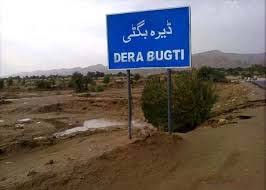
The southern core of the traditional Dera Bugti region within the Sibi Division, serving as a pivotal center for energy extraction and tribal governance in eastern Balochistan. Anchored by the major industrial town of Sui and the historical headquarters at Dera Bugti, the district features vast plains and low hills populated predominantly by the Bugti tribe. This profile summarizes official statistics, administrative infrastructure, elected representation, and key regional challenges.
180,000-200,000
5,000-5,300 km²
2 tehsils · 14-16 union councils
| Indicator | Value |
|---|---|
| Total population | 180,000-200,000 |
| Tehsils | 2 |
| Union councils | 14-16 |
| Total area | 5,000-5,300 km² |
| Type | Count |
|---|---|
| Schools (government total) | 180 |
| Colleges | 2 |
| Facility type | Count |
|---|---|
| DHQ hospital | 1 |
| RHC | 3 |
| Dispensaries | 12 |
| THQ | 1 |
| BHU | 16 |
3 police stations (district total).
Total Stations / Checkposts: ~12 (Jointly served by Balochistan Police, Levies Force, and Frontier Corps for gas field installation security)
| Constituency | Name (Party) |
|---|---|
| NA-253 Ziarat-cum-Harnai-cum-Sibi-cum-Kohlu-cum-Dera Bugti | Mian Khan Bugti (Independent) |
| Constituency | Name (Party) |
|---|---|
| PB-10 Dera Bugti | Mir Ghulam Qadir Bugti (PPPP) |
Despite decades of gas revenue from Sui, only three black-topped roads serve the wider district (Sui–Kashmore, Sibi–Dera Bugti, Dera Bugti–Jampur); most other roads are unpaved shingle tracks.
Severe shortage of potable water despite proximity to major energy infrastructure; most households depend on unsafe or seasonal sources.
Very low health-facility density relative to the area and population; maternal mortality and child malnutrition are serious concerns.
Gas-sector jobs are largely technical/skilled and go to outsiders, leaving the local Bugti population reliant on informal labour and livestock.
Gas-field-related environmental degradation and groundwater stress threaten local livelihoods.